

As a supplier of small FM antennas, I often get asked about the best way to store these delicate devices when they're not in use. Proper storage is crucial to maintain the antenna's performance and longevity. In this blog, I'll share some practical tips and insights on how to store your small FM antenna effectively.
Why Proper Storage Matters
Small FM antennas are precision instruments. Their performance can be significantly affected by improper storage. Exposure to harsh environmental conditions, physical damage, or incorrect handling can lead to signal degradation, reduced range, and even permanent damage. By storing your antenna correctly, you ensure that it remains in optimal condition, ready for use whenever you need it.
Factors to Consider Before Storage
Before you store your small FM antenna, there are several factors you need to take into account:
1. Environmental Conditions
The environment where you store your antenna plays a vital role. Extreme temperatures, high humidity, and direct sunlight can all have a negative impact on the antenna's materials. For example, excessive heat can cause the antenna's plastic components to warp, while high humidity can lead to corrosion of metal parts. It's best to store your antenna in a cool, dry place away from direct sunlight.
2. Physical Protection
Antennas are fragile, and they can easily be bent or damaged if not stored properly. You need to protect the antenna from physical impacts and ensure that it's not compressed or twisted. This might involve using a protective case or wrapping the antenna in a soft material.
3. Cable Management
If your small FM antenna comes with a cable, proper cable management is essential. Tangled cables can not only be difficult to unwind but can also cause damage to the cable itself. You should carefully coil the cable and secure it to prevent it from getting tangled.
Storage Methods
Now that we've discussed the factors to consider, let's look at some effective storage methods:
1. Use a Protective Case
One of the best ways to store a small FM antenna is to use a protective case. There are many types of cases available on the market, ranging from hard plastic cases to soft fabric pouches. A hard case provides excellent protection against physical damage, while a soft pouch is more lightweight and portable. Make sure the case is the right size for your antenna to prevent it from moving around inside.
2. Wrap the Antenna
If you don't have a case, you can wrap the antenna in a soft material such as a microfiber cloth or a piece of felt. This will protect the antenna from scratches and minor impacts. You can also use a plastic bag to provide an extra layer of protection against dust and moisture.
3. Hang the Antenna
For some types of small FM antennas, hanging them can be a good storage option. This is especially true for antennas with a long, flexible design. You can use a hook or a hanger to hang the antenna vertically, which helps to prevent it from getting bent or tangled. However, make sure the hanger is strong enough to support the weight of the antenna.
4. Store in a Drawer or Cabinet
If you have a drawer or cabinet that's clean and dry, you can store your small FM antenna there. Make sure the drawer or cabinet is not overcrowded, as this can cause the antenna to get damaged. You can also use a divider or a small box to keep the antenna separate from other items.
Special Considerations for Different Types of Antennas
Different types of small FM antennas may require different storage methods. Here are some special considerations for some common types of antennas:
1. Toy Antenna
Toy antennas are often made of lightweight materials and are more delicate than other types of antennas. When storing a toy antenna, make sure to handle it gently and avoid bending or twisting it. You can store it in a small box or a soft pouch to protect it from damage.
2. RC Antenna
RC antennas are commonly used in remote - controlled vehicles and devices. These antennas are usually made of thin, flexible wire. To store an RC antenna, you can carefully coil the wire and secure it with a small tie or a clip. Make sure not to coil it too tightly, as this can damage the wire.
3. Suction Cup Antenna
Suction cup antennas are designed to be attached to a surface using a suction cup. When not in use, you should clean the suction cup to remove any dirt or debris. You can store the antenna with the suction cup facing up to prevent it from losing its suction power. You can also place the antenna in a case or a pouch to protect it.
Maintenance During Storage
Even when your small FM antenna is in storage, it's important to perform some maintenance tasks to keep it in good condition. Here are some maintenance tips:
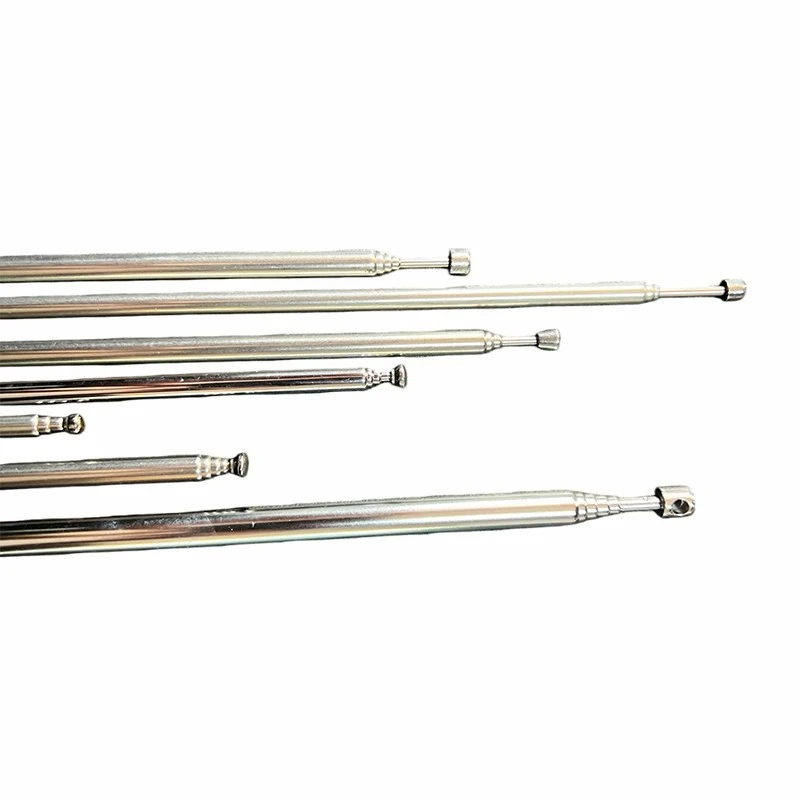

1. Check Regularly
Periodically check your antenna for any signs of damage or wear. Look for bent or broken parts, corrosion, or loose connections. If you notice any issues, address them immediately to prevent further damage.
2. Clean the Antenna
Before storing the antenna, make sure to clean it. Use a soft, dry cloth to wipe away any dust or dirt. If the antenna is particularly dirty, you can use a mild cleaning solution and a soft brush to clean it. Make sure to dry the antenna thoroughly before storing it.
3. Inspect the Cable
If your antenna has a cable, inspect it for any signs of damage. Look for frayed wires, loose connectors, or kinks in the cable. If you find any issues, repair or replace the cable as needed.
Conclusion
Proper storage of a small FM antenna is essential to ensure its performance and longevity. By considering the environmental conditions, providing physical protection, and using the right storage methods, you can keep your antenna in optimal condition. Whether you're a hobbyist or a professional, taking care of your antenna will pay off in the long run.
If you're interested in purchasing high - quality small FM antennas or have any questions about antenna storage, please feel free to contact us for a procurement discussion. We're here to help you find the best solutions for your needs.
References
- Antenna Technology Handbook, 2nd Edition
- Practical Antenna Handbook, 3rd Edition